May 4, 2025
Smart Home Wiring: What Homeowners Need to Know
Smart homes are no longer a thing of the future—they’re becoming the norm. From smart thermostats and lighting to advanced security systems and voice-controlled devices, homeowners are increasingly investing in smart technology. But before jumping in, it’s important to understand the electrical considerations that go along with these upgrades.
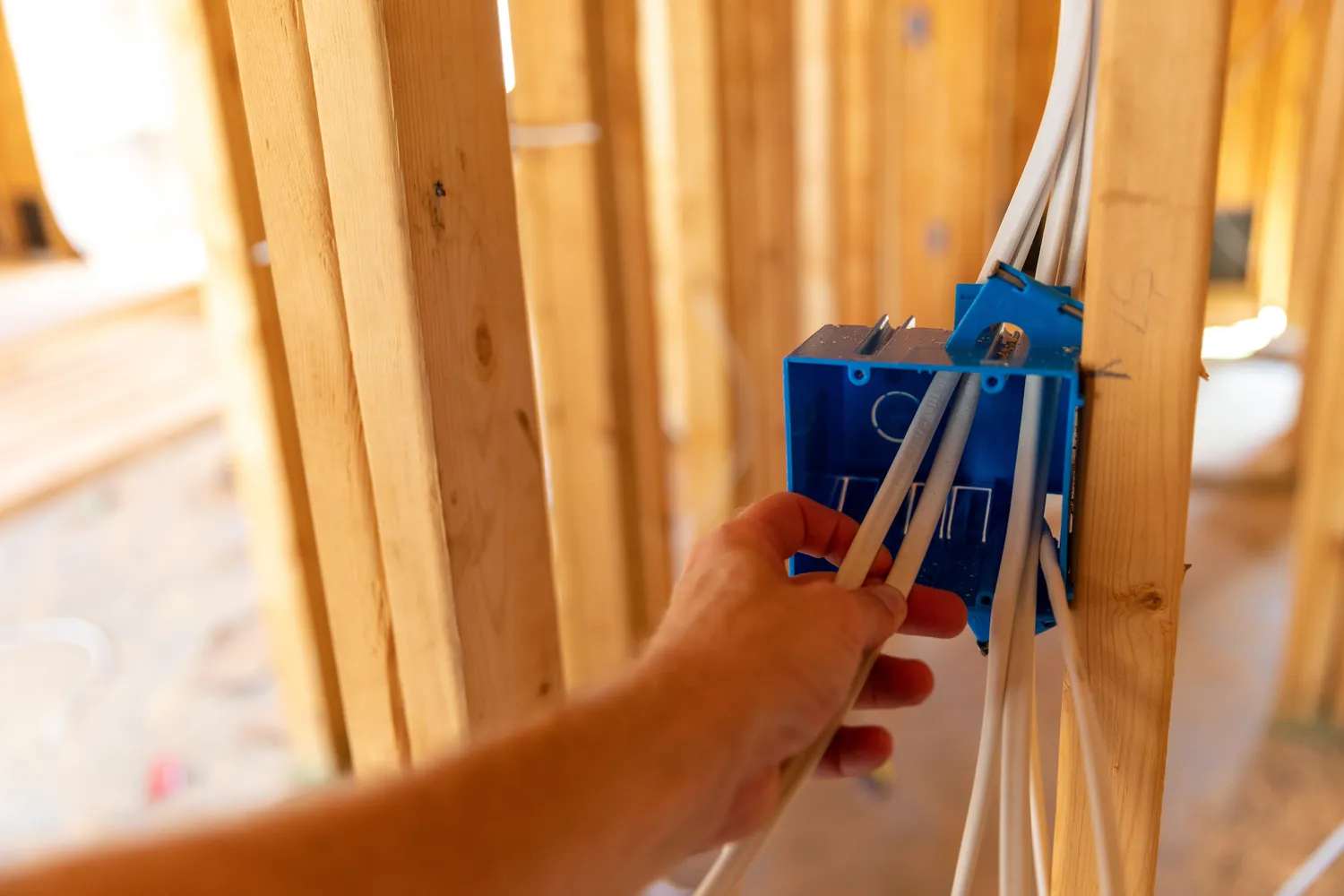
A well-designed smart home relies on a strong electrical and network infrastructure. This includes structured wiring systems that allow for centralized control of various components such as lighting, HVAC, entertainment systems, and more. Planning your wiring layout in advance is essential for flexibility and scalability.
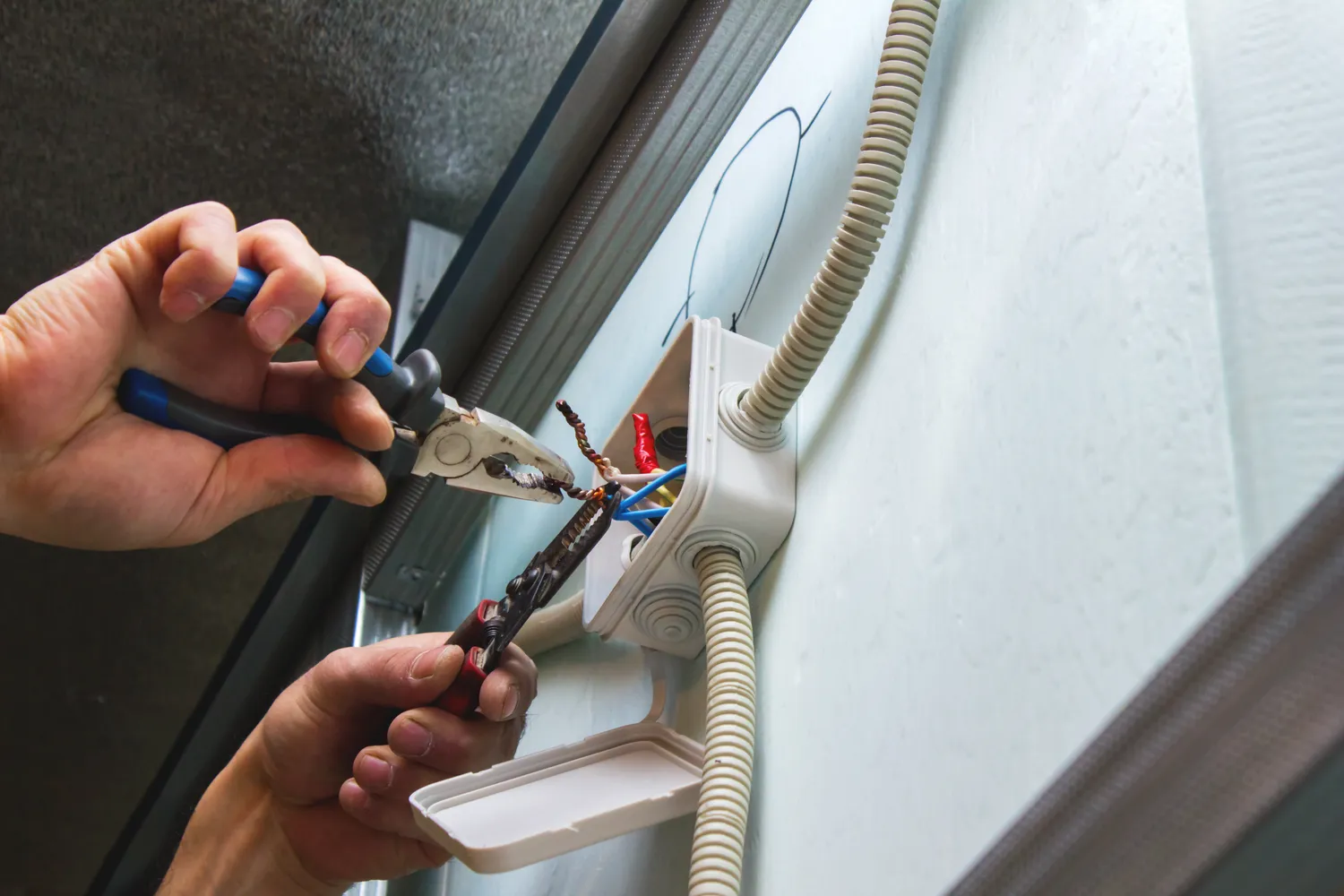
Many homeowners assume that smart devices are just plug-and-play, but integrating them into your home’s wiring often requires professional assistance. For example, hardwired smart light switches may need neutral wires, which older homes often lack. Some systems require low-voltage wiring or power over Ethernet (PoE), which standard electricians might not typically install.
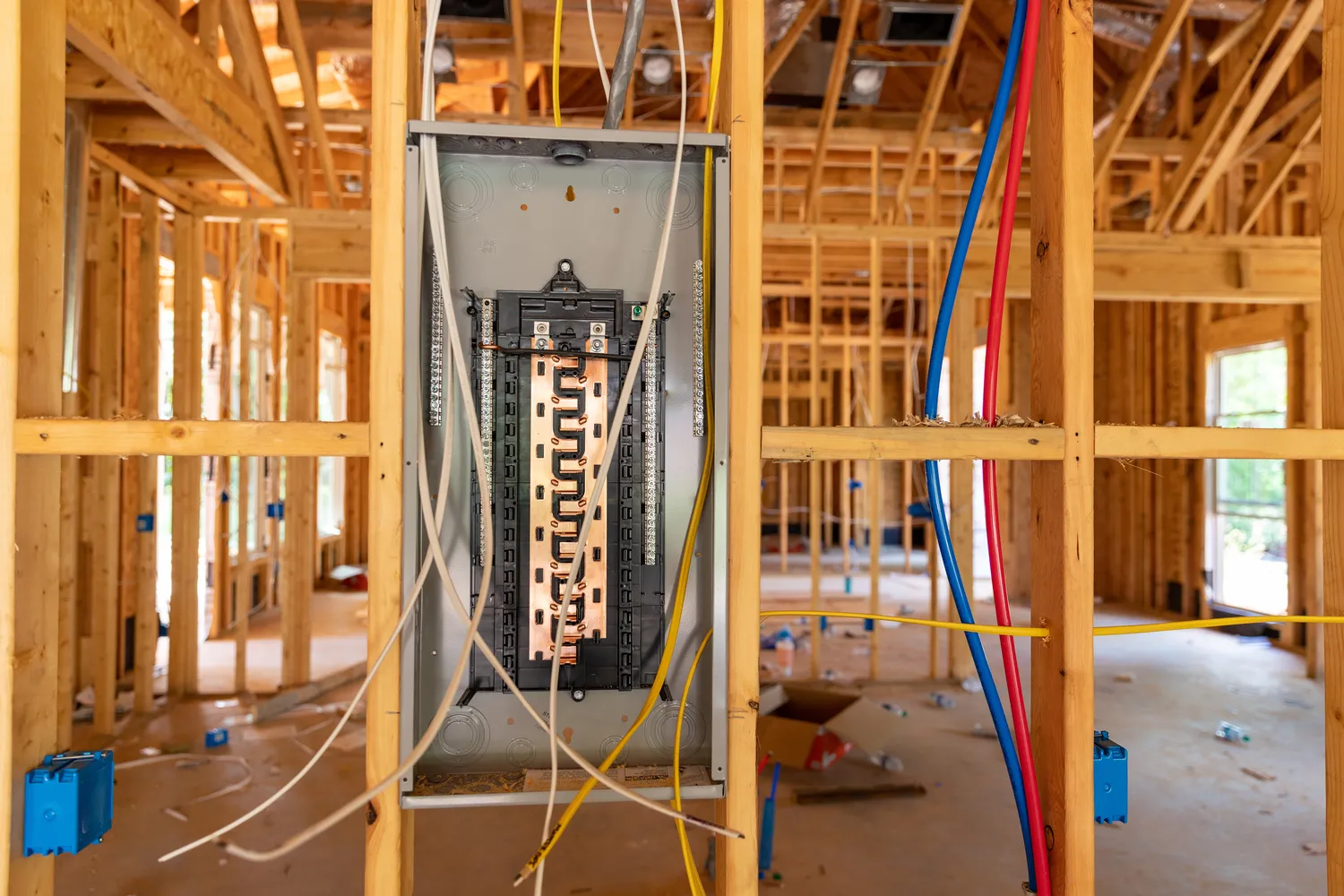
Another major concern is ensuring your home’s electrical panel can handle the added load of smart devices and automation systems. An electrician can assess your current panel and determine if an upgrade is needed to avoid tripping breakers or overloading circuits.
Security is also a key factor. Proper installation helps ensure your devices are not only functional but protected from power surges and potential hacking. Electricians can install surge protectors and help with secure wiring that protects your investment.
If you’re planning to turn your house into a smart home, consult a licensed electrician early in the process. They can guide you through the proper setup, ensure compliance with electrical codes, and help future-proof your home for years to come.